

Why your brand needs a digital asset manager now
Increase efficiency and enhance your brand by using digital asset management systems (DAM). A DAM enhances workflows, ensures brand consistency and elevates customer experiences. To take the lead in your market and discover how a DAM system can transform your business, schedule a demo.
Highlights
You’ll learn how DAM systems help your business:
- Streamlines operations: DAM software reduces search times and improves your team collaboration.
- Increases brand identity: These systems ensure consistent branding across all your digital platforms.
- Enhance customer engagement: Most digital asset management platforms deliver personalized and quality content.
- Measure success: These systems use KPIs to track DAM's impact on business and customer satisfaction.
- Mitigate risks: DAM systems maintain compliance and protect you against copyright infringement.
- Achieve remarkable ROI: The digital asset management system lowers operational costs and increases marketing effectiveness.
Act today and use DAM systems to lead your market.
Keep reading to learn more!
Companies spend hundreds or probably thousands of dollars every year and everything possible to manage their digital assets. Yet, most of them fail. Because of this, many digital assets disappear, never to be heard of again.
Did you know that 51% of marketers waste money producing or recreating unused assets because they cannot find them or don’t know about their existence? 46% of marketers waste time uploading and downloading digital assets into different tools. This is a huge problem, especially for companies that produce many digital assets but are clueless about managing them.
That’s why companies use digital asset management or DAM systems. Companies hire digital asset managers to manage these platforms.
Before exploring the roles of these managers, let’s first learn about the definition of digital asset management.
What is digital asset management (DAM)?
Digital asset management, or DAM, stores, organizes and distributes digital assets throughout a company. A digital asset is a digital file that stores your content. These assets include
- Videos
- Images
- Fonts
- Graphics
- Photos
- Audio files and clips
- Presentations
- Logos
- Documents
Digital asset management platforms work like digital libraries serving the following purposes:
- Accepts your assets and organize them
- Helps you with proper labeling
- Safely stores assets in designated folders
- Delivers assets upon request
- Gives access depending on user needs
- Ensures unauthorized users cannot access assets
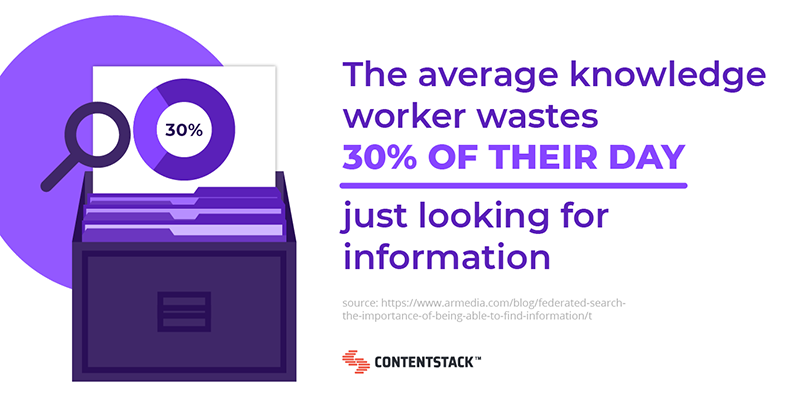
A DAM can significantly reduce the time and resources you spend on managing digital assets while removing wastage. With your employees spending roughly 30% of their day searching for information, investing in DAM solutions ensures your assets:
- Are not lost,
- Are not accessible by unauthorized people,
- Provide useful insights.
Besides storing your digital assets in one centralized location, digital asset management systems:
- Automates workflows
- Provides search capabilities for locating digital media files
- Help you manage permission on individual assets
Who is a digital asset manager?
A digital asset manager oversees the functionality of DAM systems and ensures efficient management of your assets. Part of their job involves ensuring assets are readily available to meet their company’s requirements.
These managers:
- Maintains the integrity of the brand's digital asset library.
- Streamlines workflow by making assets easily accessible.
- Implements policies to protect and manage intellectual property.
- Helps companies use their digital resources to the best of their potential, reducing time and saving money.
Roles of a digital asset manager
Acquisition and cataloging
Asset managers acquire and catalog new and existing digital assets within the DAM. They ensure all digital assets are correctly tagged with metadata for easy retrieval.
Asset protection and security
They protect your digital assets from unauthorized access or potential threats. Asset managers implement security protocols and manage permissions, allowing only authorized personnel to access your assets.
Management and organization
They facilitate easy access and efficient use of your assets. Part of their job involves maintaining and regularly updating a logical structure within your digital asset management systems.
Distribution and sharing
Sharing and distributing digital assets is another key responsibility. These managers ensure team members access and share assets as needed. They achieve it by integrating the DAM system with your company's other tools and platforms.
Analysis and reporting
Analyzing how digital assets are used in your company and reporting on their performance is another responsibility. This data helps you make informed decisions about future asset creation and acquisition.
Why is digital asset management important?
A digital asset management system offers much more than a simple repository for storing and digital file management. DAM software acts as a single source of truth for sales and marketing teams, brand managers, internal and external stakeholders, executives, and business leaders and offers the following benefits:
Increases business efficiency
Digital asset management solutions give your employees swift access to digital assets. Your employees no longer go through the time-consuming searches across disparate storage locations, improving productivity. With centralized digital asset storage, your teams collaborate more effectively. They share and edit assets without the confusion of version control or the risk of duplication.
By maintaining a comprehensive inventory of digital assets, you avoid redundant asset creation, saving resources and costs associated with producing or acquiring new assets.
Enhances brand consistency
A well-organized digital asset management system ensures all assets follow the brand's guidelines. This helps you promote a consistent message across all digital channels and customer touchpoints. With a DAM, you maintain high-quality standards across all digital assets. You provide your teams with easy access to approved and brand-compliant materials.
Maintains legal compliance
Digital asset management software tracks the rights and licenses of all assets, preventing you from violating copyright laws or licensing agreements. They provide comprehensive audit trails by assigning each asset a traceable history. This way, you ensure compliance with regulations, industry standards, and internal audits. In addition, a powerful DAM solution uses security mechanisms to ensure unauthorized people cannot access your private information without prior permission.
Case study
How did Contenstack help Extu ensure 21% faster delivery of English content to market?
Extu excels in through-channel marketing with a vast network of over 4,000 dedicated channel partners, strategically utilizing cutting-edge DAM solutions to elevate brands and empower resellers. Through the strategic implementation of Contentstack and a DAM system, they streamlined their content management processes, resulting in quicker campaign delivery times and enhanced multilingual capabilities.
This optimized workflow increased efficiency gains and ensured a remarkable 53% increase in the speed of delivering translated content to the market, resulting in 21% faster delivery of content.
After using Contentstack, Tara Yukawa, VP of Marketing Solution at Extu, said:
“Simply put, Contentstack met all of our requirements. As a headless CMS system, it integrates well with our full stack of technology and services, including a DAM, a translation provider, as well as our through-channel marketing platform that’s our proprietary technology. We also loved the fact that we could manage user workflows across multiple teams in Contentstack itself without having to have a separate project management tool. And I have to tell you, we made the right choice.”
Read the full case study here.
How to select the right digital asset management software
Choosing the right DAM software is like finding the perfect assistant for your company’s asset management needs. Here’s how to select the right DAM software for your company:
Integration capabilities
Integration capabilities make your workflow better. Choose a DAM system that works with the tools you already use. Before choosing a software, ensure it integrates with your headless content management system (CMS) like Contentstack, design software marketing automation, and project management apps. This integration minimizes disruptions and increases workplace productivity.
Security
The security of digital assets is paramount. A comprehensive system must protect your digital content while providing authorized user access. Search for a DAM solution offering comprehensive rights management. Also, ensure your system employs encryption for data in transit and at rest, protecting you against unauthorized access.
Search
A proficient search mechanism helps you locate the correct assets, saving time and reducing user frustration. Ensure your software offers an intuitive search interface, metadata management, keywords, and tags for precise asset identification. Focus on speed and accuracy in the search functionality. DAM, which offers diverse search options, like text search, filtering, and advanced search capabilities, is worth investing in.
Ease of use
The success rate of your DAM system relies on ease of use. Choose a user-friendly solution that reduces the learning curve for your team. Before choosing, conduct in-depth research to find systems with an intuitive user interface. Look for continuous support and regular updates to accommodate user feedback and enhance the overall experience. Also, confirm that your DAM provider offers training and resources for onboarding.
Support
Choose a DAM solution that ensures management across the entire lifecycle of digital assets—from inception and uploads to archiving and eventual deletion. When choosing one, ensure it supports different file types.
User access
If you work with a remote or distributed team, ensure your DAM solutions provide secure, convenient access to digital assets from any location. Choose a cloud-based DAM because it offers a responsive design for mobile users and allows anywhere access.
By carefully evaluating these considerations, you can select a digital asset management software that meets your current needs and helps you scale your operations.
Effective strategies and best practices in digital asset management
To implement effective digital asset management strategies, adhering to the best practices is imperative for maximizing the value and efficiency of your digital assets. These strategies ensure higher efficiency and maintain brand consistency across all channels. These strategies ensure the effectiveness of digital asset management tools:
Centralize your digital assets
Collect and store all your digital assets in a single, manageable repository. By centralizing your digital asset, you reduce data silos and give access to every member from any location.
Use metadata and tagging
Well-structured metadata and tagging improve searchability and help you easily retrieve your assets from the database. It includes using related keywords, descriptions, and categories that best describe the asset stored.
Establish usage rights and permissions
Protect your intellectual property and comply with licensing agreements. You can achieve this by defining and enforcing strict usage rights and permissions for each digital asset. This reduces legal risks and protects your brand's integrity.
Develop a folder structure
Another best practice is arranging assets into a logical folder structure that reflects your departmental needs. A well-structured library facilitates quicker asset discovery and reduces the time spent searching for content.
Regularly audit and maintain your systems
Review the digital asset management platform to remove obsolete files, update asset metadata, and ensure your system's structure aligns with current business goals. Regular maintenance keeps your systems efficient and relevant.
Train and support users
The next strategy is offering training and ongoing support to all the users. When you ensure your team members are proficient in using the system, its adoption rates and productivity increase.
Leverage analytics to monitor performance
Another best practice is using analytics tools to track your asset usage, user engagement, and performance trends. These insights help you make strategic decisions.
Choose scalable solutions
Select DAM software that adapts to the growing needs of your business. Scalability is crucial for managing an increasing volume of assets and additional users and expanding global operations.
Measuring the impact of DAM on businesses
By measuring specific key performance indicators (KPIs), you quantify the effectiveness of their DAM strategies and make informed decisions. Some key indicators to monitor include:
- Asset utilization rate: Asset utilization rate tracks how frequently your digital assets are used in marketing campaigns and sales pitches. An increase in rate correlates with improved productivity and brand consistency.
- Time to market: This metric measures the speed of launching your marketing materials, campaigns, or new products. An efficient digital asset management solution reduces time to market by approving and deploying digital and media assets promptly.
- User adoption rates: This KPI shows how effectively your DAM solution is integrated into daily workflows.
- Compliance and risk management: Monitors incidents of non-compliance with brand guidelines or copyright laws. A decrease in these incidents shows that the DAM software can enforce permissions and usage rights.
- Return on investment (ROI): ROI is your financial return after investing in digital asset management tools. A positive ROI shows the benefits of digital assets outweigh the expenses of implementing and maintaining these tools.
How digital asset management enhances customer experience
Digital asset management enhances customer experiences. A well-implemented DAM software ensures customers receive consistent, high-quality interactions across all digital touchpoints. Here’s how DAM contributes to superior customer experiences:
- Personalized content: DAM creates categories and tags for rich media assets, helping you retrieve and use relevant content for campaigns. Personalized experiences resonate more with customers, improving engagement rates.
- Faster content delivery: A DAM’s quick retrieval and distribution capabilities mean customers receive timely and relevant content. Showing responsiveness to your customer needs enhances satisfaction levels.
- Quality control: One of the most crucial aspects of DAM systems is version control and review processes. These features ensure that you use high-quality, approved assets. Sharing high-quality content creates a positive brand image and enhances your customer experience.
FAQs
What does a digital asset manager do?
A digital asset manager oversees your digital assets - photos, videos, docs, and other content. They organize, store, and retrieve assets efficiently, manage DAM systems, set access permissions, and ensure easy access for employees.
What is another name for a digital asset manager?
Digital asset managers are called DAM administrators or digital content managers. They are also called content librarians or media asset managers based on their responsibilities and asset types.
What is an example of digital asset management?
Bynder is one of the leaders of digital asset management software.
Learn more
Embracing a digital asset management system is necessary to thrive in this digital age. Apart from simplifying digital content management, these DAM systems enhance your ability to engage with customers through consistent, high-quality interactions.
If you want to take control of your digital assets and change how your business operates, schedule a free demo.