

The secrets of effective content lifecycle management
Understand the potential of your marketing strategy with a well-defined content lifecycle. Don't let content chaos hold your content back — learn how to elevate your brand's voice, engage audiences and drive growth.
Highlights
You’ll learn about why you need a content lifecycle:
- Enhance brand voice: A structured content lifecycle fortifies your brand's presence
- Optimize resources: Allocate resources efficiently by identifying high-performing content
- Ensure compliance: Meet legal and regulatory requirements with ease
- Boost collaboration: Encourage teamwork and streamline processes
- Drive strategic decisions: Use insights to refine future strategies
Good content is the pillar of every digital company’s success. Your content works in the background, reinforcing your brand’s voice and portraying it as a leader. Even though content is critical in driving revenue and growing your business, many companies still ignore content creation.
Businesses designate 25-30% of their marketing budget to content marketing, yet they use only a tiny portion. As a result, their content cannot contribute to growth or attract potential customers. So, how can you maximize the effectiveness of your digital content?
The answer lies in the content lifecycle. Your content lifecycle increases content experiences, helping you leverage missed opportunities to impress, engage and convert your target customers.
That’s why understanding your content lifecycle helps you manage your content and ensure you reap the most from your content efforts.
What is a content lifecycle?
The content lifecycle is all about the journey content takes—from the initial conception to the archive. All your content fails into the following stages:
- Planning
- Creating
- Managing
- Distributing
- Optimizing
- Preserving
Each step makes your content more engaging and ensures it aligns with your business goals. Understanding your content lifecycle keeps it relevant, efficient and impactful throughout life. This thoughtful approach helps you meet market trends, audience tastes and new technologies. With content lifecycle, your content strategist can oversee and manage content programs of any size. Let’s understand the content lifecycle using an example:
The first step in using this approach is the planning stage, where team members can discuss topics of interest to the target group and relevance to the company. During the creation stage, content creators play the central role of using relevant keywords in the content.
Once the blog is ready, you distribute and publish it on all your digital channels, such as social media, email newsletters and other platforms.
To keep the content fresh and relevant, it undergoes optimization. Your team reviews analytics to see how it's performing, and you might update the article with new information or increase its visibility with some SEO strategies. Eventually, when the content becomes outdated or less relevant, it enters the preservation stage. This might mean archiving it for future use or repurposing it into an infographic or video.
Importance of a content lifecycle management (CLM)
Increases engagement and relevance
When you review how your content performs and how your audiences interact with it, you tweak your strategies to keep your content fresh, engaging and in tune with users' requirements.
Optimizing resource allocation
Content lifecycle management (CLM) reveals which content types deliver the best results. This helps you with proper resource allocation. With a content lifecycle in place, you invest more in successful content while phasing out what doesn't work.
Facilitates compliance and governance
Effective CLM ensures your content meets data and privacy laws, lowering legal risks and keeping you compliant with government regulations.
Improves collaboration
A solid CLM encourages teamwork by clearly defining roles and responsibilities throughout the content journey, increasing productivity and generating new ideas.
Drives strategic decision-making
With detailed analytics and insights from every lifecycle stage, you make intelligent choices that guide your future content strategies and support overall business goals.
Stages of content lifecycle management
Content planning
Creating content that resonates with your target audience without a content strategy will make your content go in the trash. The planning stage is the process of generating ideas and creating your strategy. It’s the foundation of the content lifecycle because your content managers define their content objectives and decide what information to share with your audience. When you define your content's purpose, audience and scope, you ensure that everyone involved in the content creation and marketing process strives hard to achieve the same goal.
Content creation
During the content creation stage, you start producing content. Your creative team, which includes designers, copywriters, content writers and editors, develops your content to ensure it aligns with the defined scope. The key stages involved in creating content are:
- Preparing a brief
- Writing the content
- Editing the written content for grammar, punctuation and syntax errors
After editing the content, ensure it receives feedback from stakeholders to increase its reliability. To share high-performing content, you must also optimize your content for all communication channels and formats. Often, the content creation process gets messy, so use various tools to streamline it.
Content management
So, your team has created fantastic content—what now? During the content management stage, you focus on content administration. This involves uploading and organizing your content for your distribution channels and implementing strategies to control how everyone uses your content. With 85% of customers consuming your content simultaneously on different platforms, prepare different messaging and captions to suit the platform. During the management stage, you keep your content up-to-date.
Content distribution
After organizing and uploading your content, it’s time to promote it across different channels. This includes email marketing, social media, marketplaces, and other relevant channels where your target audience consumes content. Proper distribution and content publishing ensure that your content resonates with specific users at the right time, maximizing its impact and engagement.
Content optimization
Regularly updating and optimizing your content results in higher organic growth. Content optimization is improving your content to increase its performance and relevance. This involves using SEO strategies to increase your visibility on search engines, refreshing outdated information to keep it current and accurate and analyzing performance metrics for insights. Content optimization aims to draw a larger audience while offering valuable, meaningful and up-to-date content.
Content preservation
The most overlooked stage of enterprise content lifecycle management is the preservation stage. Preserving or archiving your content is essential once you no longer need it. You chose to preserve it for historical and future use. Archiving preserves your inactive content so that your website remains clutter-free and includes content your audience likes to read. An archive is not a place where your content goes and gets lost. Instead, reuse or repurpose it at a later time.
Importance of optimized content lifecycle
Better content handling
When you manage every stage of the content lifecycle, you streamline your content production processes. This means planning, creating, reviewing and distributing content with care, which cuts down on inefficiencies and smooths out workflows. The result? Your teams spend more time being creative and strategic than dealing with logistical headaches.
Multi-channel publication
An optimized content lifecycle shares your content across various channels, such as social media, websites and email marketing. As a result, you provide a consistent brand experience. Customizing content for each platform engages your audience wherever they are, enhancing your brand’s visibility and interaction.
Improved ROI
Your return on investment (ROI) increases when you manage your content lifecycle. By sharing relevant, valuable and impactful content throughout its lifespan, you attract more customers. Assess and change your content strategies to keep up with market trends and customer preferences to improve your ROI.
Steps in content lifecycle management
Define your content lifecycle
Define the stages of your content life cycle, such as planning, creation, distribution, management and monitoring. When you clearly outline the roles and goals at each stage, your team members know what you expect from them.
Identify your content assets
It’s important to know your existing content assets, such as text documents, images, photographs, videos, infographics and podcasts. Use a digital format to ensure accurate record keeping. This helps you retrieve and modify your content assets later.
Use the right tools
Use a headless content management system (CMS) to simplify content management, creation, editing and publishing. Integrate your CMS with a digital asset management system to handle your content assets. These tools maintain version control and increase team collaboration.
Organize your content assets
Arrange your content assets logically and ensure everyone can access them. Use consistent naming conventions and metadata tagging to facilitate searches, making content updates and repurposing easy.
Build a content calendar
Build a content calendar to plan and schedule your content activities. Include deadlines, publication dates and events to ensure consistent, timely content production that is aligned with your business goals.
Create a distribution strategy
Create a distribution plan that explains how and when you will communicate or deliver your content to your targeted audience. Post your content on social media, email newsletters and partner sites to widen the coverage and attract a larger audience. Treat every social media site as different and analyze how to reach and attract people on these platforms.
Monitor your content
The final process is to evaluate your content’s effectiveness using different analytical tools. To learn about your content performance, you can monitor engagement rates, conversion rates and audience demographics. Understanding and examining this data improves your content approach and the effectiveness of the content delivered.
Tools for content lifecycle management
Content management system (CMS)
A CMS like Contentstack can handle your entire content lifecycle, making each step from planning to preservation more effective. When you're in the planning stage, CMS platforms organize your ideas and set up content calendars, ensuring your plans align with your business objectives. As you move into creation, these systems provide easy-to-use interfaces for drafting and editing, helping you with various content formats. When it's time for distribution, a CMS allows for automated publishing and sharing across multiple channels, maintaining consistent messaging.
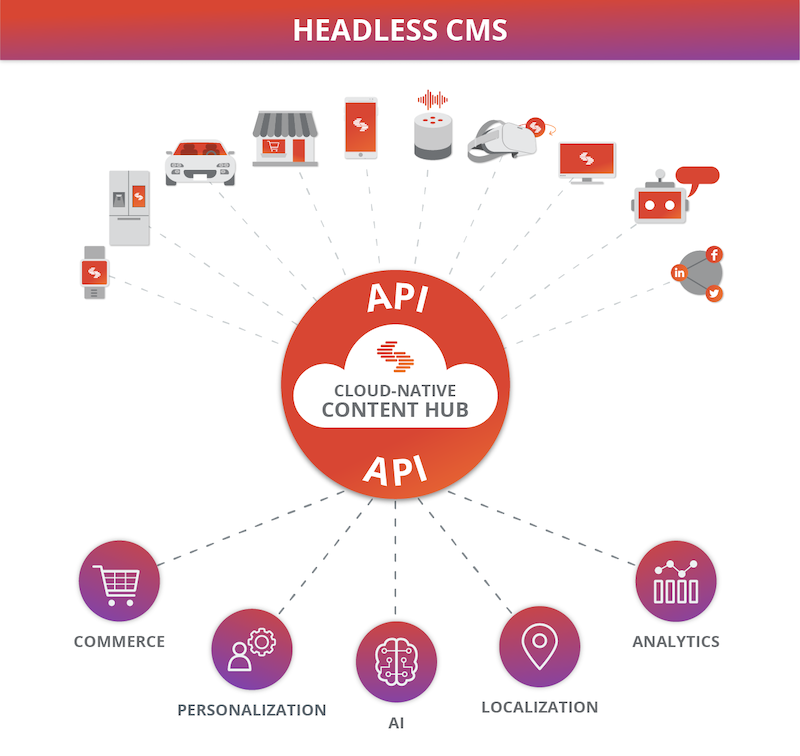
Contentstack comes equipped with SEO functionalities and Google Analytics so that you can refine your content based on analytics and insights. Lastly, these platforms have archiving features to make your old content accessible for future use.
How has Contentstack improved Photobox's content management?
PhotoBox was using an old CMS and was looking for an intuitive and modern CMS for their technical and business teams. The company switched to Contentstack’s headless CMS for easy content publishing and management and higher customer retention. Switching to a headless CMS reduced Photobox’s load times by 50%. Their developers can code in any language and focus more on testing, design and customer journeys.
After using Contentstack, Taher Khaliq, Director of E-commerce Platforms at Photobox, said:
“Our old CMS platforms were extremely frustrating. It took too much time to ship new products to the site. The in-house solution was unstable. The impact that poorly framed content could have on the site was immeasurable. We needed to have part of the site move to a framework that was far easier to manage from both a technical and content editing perspective.”
Read the case study here.
Contentstack: A Leader in CMS Performance. Experience the strength of Contentstack, a standout performer in Forrester's Q3 2023 CMS report. Contentstack simplifies your digital experience with our back-end extensibility and global deployments. Request a demo to learn more.
Digital asset management (DAM)
DAM tools are your digital library that keeps your images, texts and videos organized in one place. They make tagging and finding your assets easy, ensuring everyone on your team can access what they need. DAM tools improve your workflow, help you maintain your content and increase efficiency.
Task management tools
Task management tools help your team collaborate and handle content creation and distribution tasks. These tools offer a central hub that streamlines workflow management, enabling your team members to assign tasks, set deadlines and monitor progress. This approach keeps content projects on schedule while improving communication and coordination among team members. Ultimately, your team can produce high-quality content and achieve organizational goals.
FAQs
What is the content lifecycle?
The content lifecycle is an ongoing process that handles content from creation to preservation or archiving. It involves content planning, creation, management, distribution, optimization and preservation.
What is the content operations lifecycle?
The content operations lifecycle covers the steps and workflows needed for creating, delivering and managing content. It streamlines your operations to achieve efficiency and consistency.
What is the lifecycle of web content management?
The lifecycle of web content management focuses on creating, managing and optimizing web content to keep it relevant, accessible and valuable.
Learn more
Understanding the different stages of managing your content's lifecycle creates content that resonates with your audience. When you’re familiar with these stages, ensuring your content hits the mark every time is much easier. But if you’re not careful, losing control is easy. Keep everything in check by staying organized and focused.
Creating the right content lifecycle management process and using the right tools keeps your content in check and ensures you share up-to-date and latest content. To understand how Contentstack can help you with the content lifecycle, talk to us today.